During the operation, an important part of the anesthesiologist to ensure the patient's life safety is to ensure that the patient has adequate oxygen supply.
Humans do not absorb oxygen through gills or other organs, as some animals do. The only organ that absorbs oxygen in humans is the lungs. The lungs are located in the chest cavity of the human body and communicate with the outside world through the respiratory tract. Through the breathing action, to achieve the air in and out of the lungs, so as to achieve gas exchange.
Gas exchange is the removal of metabolic carbon dioxide from the lungs through the airways. At the same time, oxygen-rich air is drawn into the lungs and oxygen passes through the membranes of the lungs, allowing gas exchange.
Under normal circumstances, breathing will not stop because of people's will, people can only consciously control the frequency of breathing or breathing depth, but there is a certain limit. People with professional training can hold their breath for a little longer, but that can only be done with long-term training and protected by professional equipment.
In movies and TV shows, although we can't see how the patient breathes, we seem to get two impressions: one is that there is nothing on the patient's face; The other is when the patient has a tube in his mouth.
In clinical anesthesia, the patient's breathing during surgery is very important. Without breath, the patient's life is not guaranteed. Even in the face of rescuing patients, it is impossible to rescue them without oxygen supply. So what do anesthesiologists do to keep patients breathing?
This starts with the patient's state during the operation:
Patients' states during surgery can be roughly divided into three categories:First, the patient is fully conscious;
In the second, the patient is unconscious but able to breathe on his own.
The third is completely unable to breathe on its own, requiring controlled breathing by a machine.
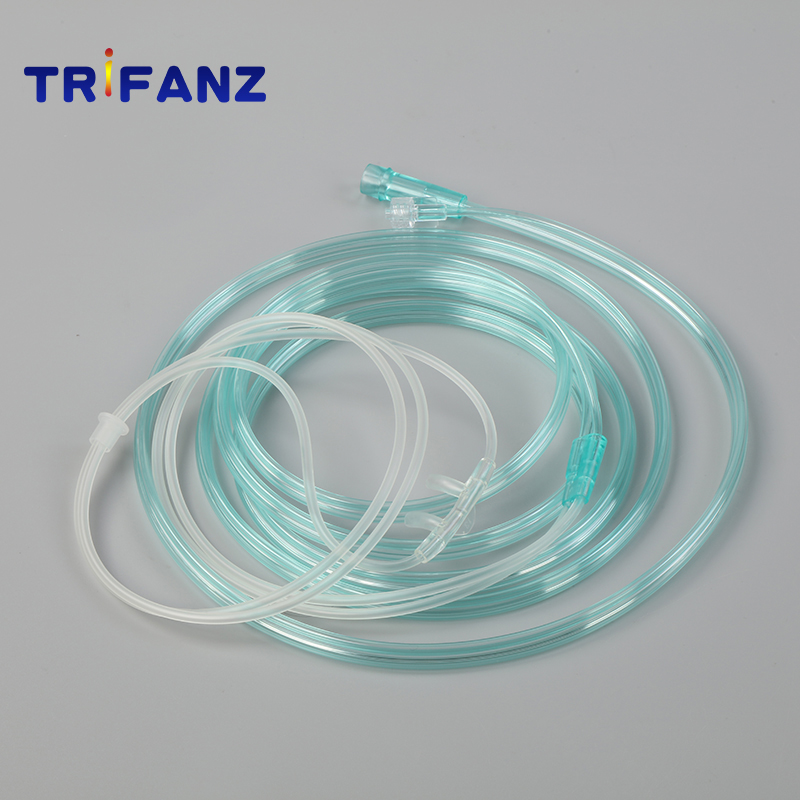
1. For fully conscious patients, the anesthesiologist will usually use an nasal oxygen cannula to provide oxygen through the
nose.
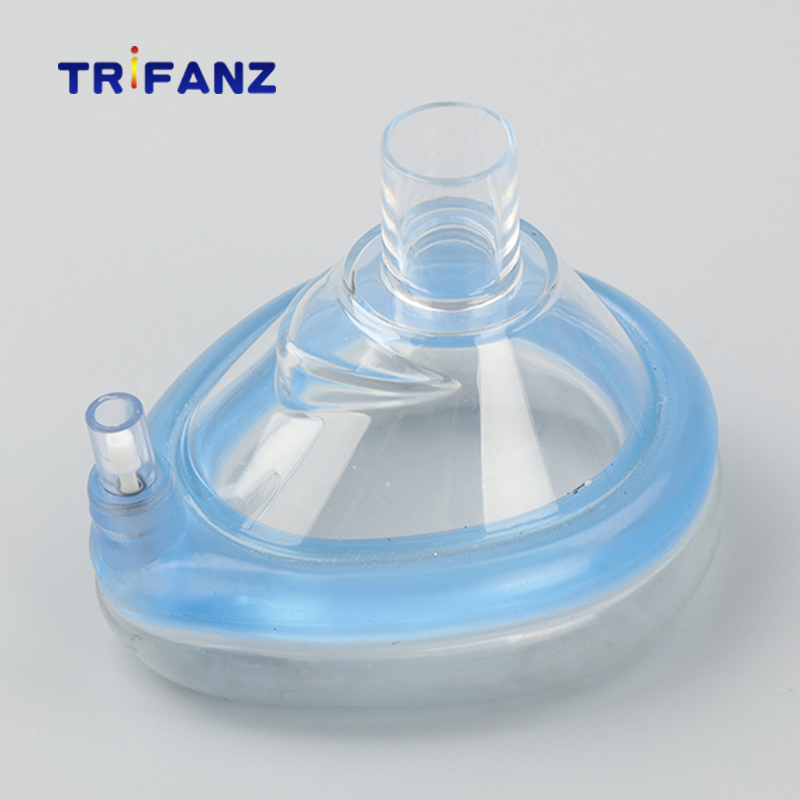
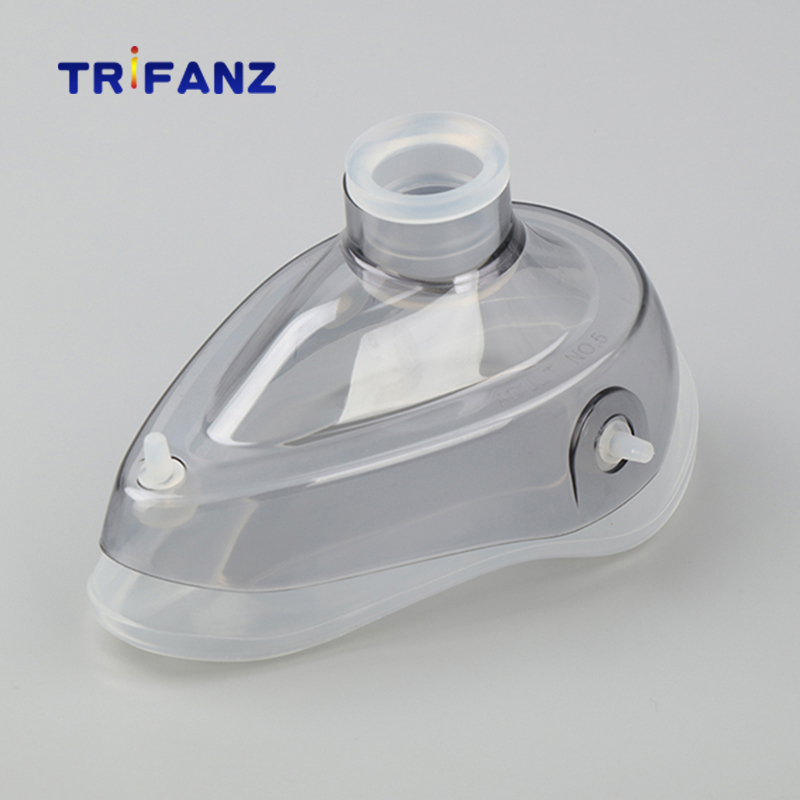
2. For the second type of patient, the anesthesiologist usually uses oxygen inhalation through an anesthesia mask. On the one hand, oxygen can be used more efficiently for patients. On the other hand, if the patient is unable to receive oxygen due to airway obstruction or suppression of the respiratory center, the anesthesiologist can immediately use a ventilator to assist ventilation.
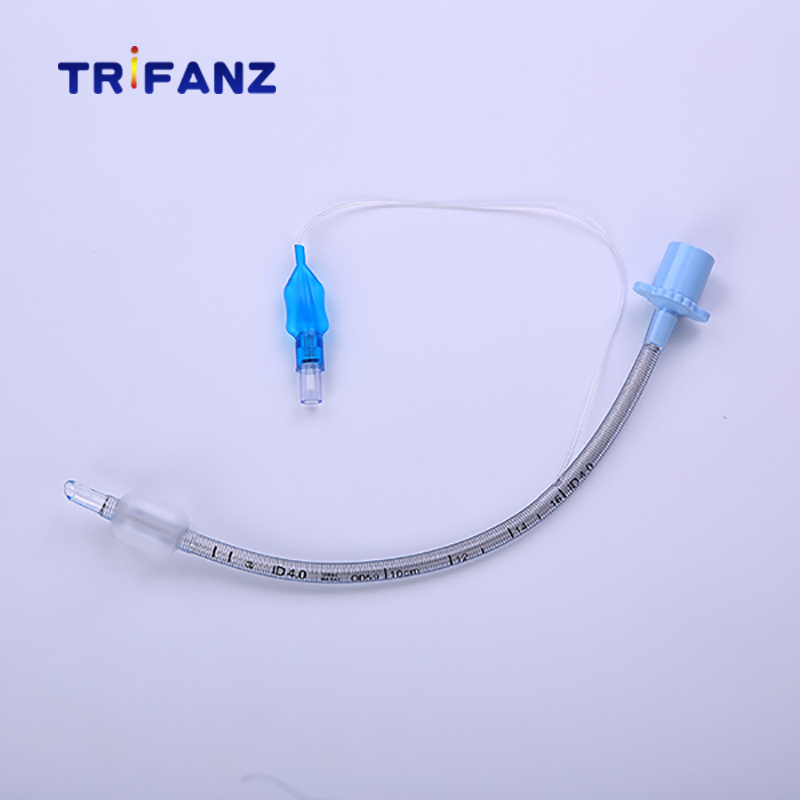
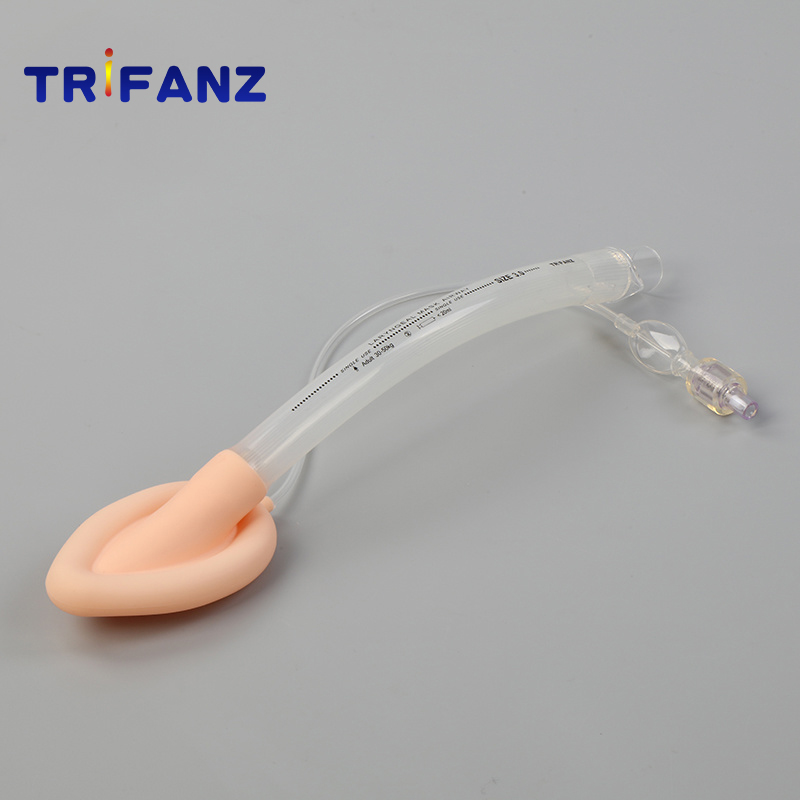
3. For patients who are not breathing at all, the anesthesiologist usually uses ventilator controlled ventilation to administer oxygen.In this case, the anesthesiologist may need to insert an endotracheal tube into the patient's trachea or place a laryngeal mask airway over the glottis to ensure ventilation. During surgery, the frequency and depth of breathing are set by the anesthesiologist using breathing parameters on the machine.