

Ordinary laryngeal masks, as a kind of airway between the mask and the tracheal intubation, have been commonly used for airway management in general anesthesia with reserved spontaneous breathing or positive pressure ventilation, as well as difficult airway management. However, according to reports in the literature, the leakage air pressure of ordinary laryngeal masks in the oropharynx is low. Therefore, the use of ordinary laryngeal masks during general anesthesia has a higher air leakage rate for long-term positive pressure ventilation; especially for patients with poor lung compliance, Such as obese patients, the use of positive pressure ventilation is even worse. As a new generation of laryngeal masks, the double-tube laryngeal mask has a unique structure and has been gradually used in clinical practice. However, its safety and effectiveness have not been reported for obese patients. In this study, patients with different body mass indexes were selected to compare the safety and effectiveness of double-tube laryngeal masks and ordinary laryngeal masks.
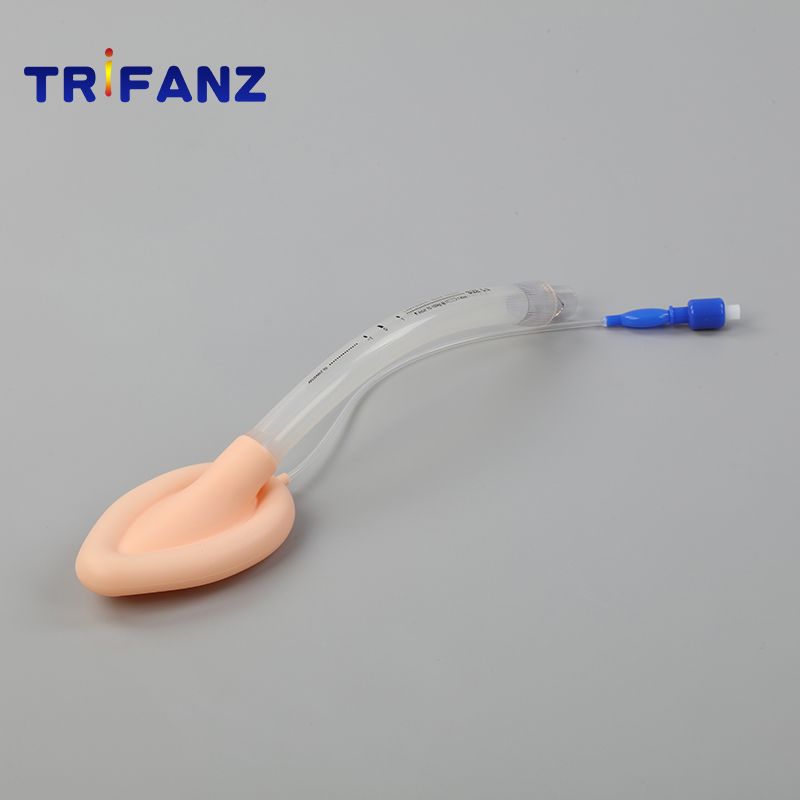
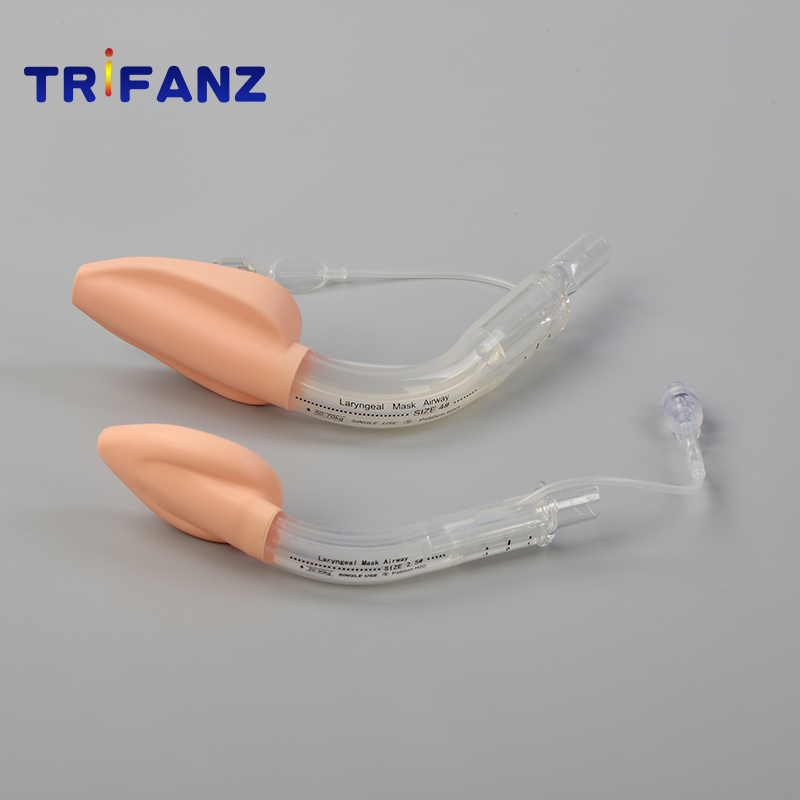
Although there are reports in the literature that whether muscle relaxants are used during the induction of anesthesia does not affect the success rate of laryngeal mask insertion, due to double-tube laryngeal masks and ordinary laryngeal masks, compared with tracheal intubation, there is still a certain amount of air leakage. Muscle relaxation drugs are gradually metabolized in the body, and the oropharyngeal sealing pressure of the laryngeal mask gradually decreases, that is, the airtightness of the laryngeal mask is gradually decreasing, especially for obese patients with poor muscle relaxation and high airway pressure, the airtightness is still There are certain shortcomings, so the author chooses the new non-depolarizing muscle relaxant rocuronium target-controlled infusion to maintain good muscle relaxation during the operation, which is superior to conventional intermittent intravenous muscle relaxants. For different types of surgery, non-tracheal intubation, laryngeal mask ventilation, and tracheal intubation remifentanil combined with propofol maintain different doses, and the appropriate dose is maintained in the report.
This experiment observes the one-time success rate of ordinary laryngeal masks and double-tube laryngeal masks in different body mass index groups, and found that the success rate of one-time insertion of double-tube laryngeal masks in patients with high body mass index is higher, which may be difficult for patients with high body mass index. The high incidence of tract, the small oropharyngeal space, and the rigid connection between the double-tube laryngeal mask ventilation catheter and the ventilation mask are related to its own special cuff and ventilation tube design, so that the mask body avoids rolling and twisting and reduces The probability of the epiglottis fold down, and the double-tube laryngeal mask used for difficult airway management is better than ordinary laryngeal masks.